

When a relationship ends, what support exists beyond legal advice?
Solicitors guide the paperwork. Courts determine settlements. But the emotional landscape of separation, the grief, anger, disorientation and quiet panic that accompany it—is far less structured.
As divorce proceedings in the UK increasingly stretch over many months, and sometimes years, a growing number of people are turning to a different kind of professional: the divorce coach.
Divorce is rarely a single moment. It is a process, often lengthy, legally complex and emotionally exhausting. What many people do not anticipate is not only the pain of separation, but the drawn-out nature of it. Financial negotiations stall. Mediation is rescheduled. Agreements shift. During this extended period, individuals are expected to make rational, life-altering decisions whilst navigating profound emotional upheaval.
It is within this uncertain and often isolating stretch that divorce coaching has quietly grown.
The book Emotional Alchemy: True Stories of Turning Breakup and Divorce Pain into Power brings together a collective of divorce coaches who support clients nationally and internationally. While most of the contributors are UK-based, their work extends both nationally and internationally through virtual sessions, structured online programmes, and digital resources, making specialist emotional support accessible wherever it is needed.
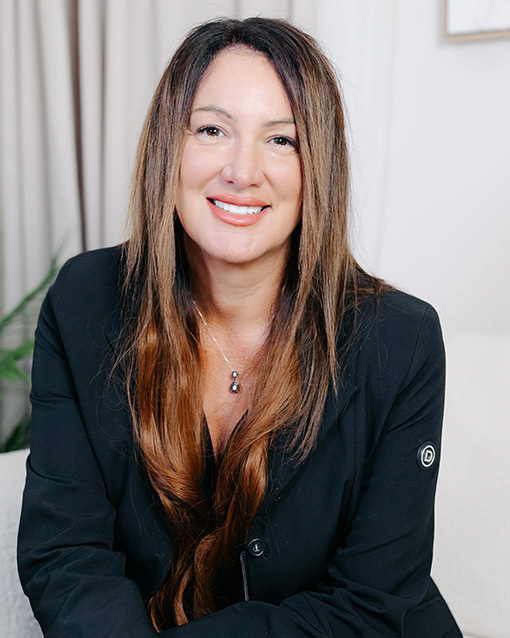
At the heart of the anthology is Sara Davison, also known as The Divorce Coach, whose work centres on guiding individuals through emotional upheaval towards clarity, self-leadership and renewed purpose.
What Is Divorce Coaching?
Divorce coaching is frequently misunderstood. It is not legal representation, nor is it traditional psychotherapy.
A solicitor manages the legal framework of separation. A therapist may explore deep-rooted psychological patterns and past trauma. A divorce coach focuses on the present and the immediate future, helping individuals remain emotionally regulated, clear-headed and self-directed throughout the separation process.
Support may include:
- Managing intense emotions such as grief, anger, shame or betrayal
- Preparing for mediation or court proceedings
- Navigating co-parenting dynamics
- Rebuilding confidence after infidelity
- Strengthening boundaries
- Making decisions from clarity rather than panic
Rather than encouraging divorce, coaching supports individuals wherever they find themselves, whether contemplating separation, in the midst of proceedings, or adjusting to life afterwards.
Voices from Emotional Alchemy
The anthology brings together voices from different walks of life, unified by one central idea: emotional pain is not something to bypass or suppress, but raw material that can be consciously transformed.
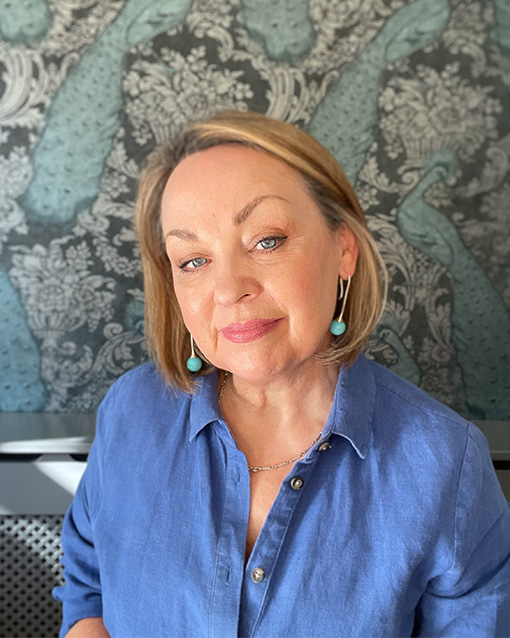
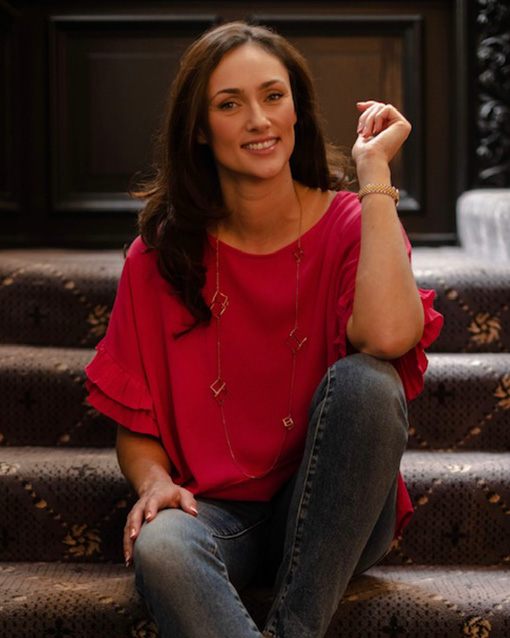
Denise Coffey describes writing for the book as an act of honouring her journey: ‘Writing and sharing my chapter has been a deeply cathartic and meaningful process… It has reinforced just how powerful writing can be, not only as a form of expression but as a therapeutic tool that helps us acknowledge, process, and heal our emotions.’
Victoria Pegley found revisiting her past unexpectedly intense: ‘My reality and rebuild has been like an infinite onion. Layer upon layer of emotion… Writing allowed me to see that my reactions were not personal failures, but a normal response to an abnormal situation.’
Sarah Pike, reflecting on both her own journey and her work with clients, emphasises human resilience: ‘Seeing myself come through and out the other side… you realise how resilient we are. Healing only happens because there is pain, so we have to experience that pain to heal.’
Kate Martin brings a practical lens, combining coaching techniques such as nervous system regulation and visualisation with actionable steps to navigate recovery. Together, these voices illustrate that emotional alchemy transforms pain into insight, clarity and empowerment.
The Reality of the Process
One of the least acknowledged aspects of divorce is endurance. Legal processes can be slow. Financial discussions may be protracted. Communication can repeatedly break down.
During this extended period, individuals may feel suspended between past and future. Friends and family often expect progress, yet the legal system moves at its own pace. It is common to feel blindsided not only by the separation itself, but by how long the disentangling takes.
Divorce coaches often describe their role as providing continuity through that uncertainty. They do not take decisions away from clients. Instead, they help ensure those decisions are made from stability rather than emotional overwhelm.
Support may involve nervous system regulation techniques, structured reflection, accountability frameworks and practical planning tools. The aim is not to rush grief, but to prevent it from dictating the future.
Challenging Misconceptions
A persistent myth is that divorce represents personal failure. In reality, relationships evolve. Values shift. Needs change. Recognising misalignment can reflect growth rather than inadequacy.
Another misconception is that people should recover quickly. Emotional upheaval does not adhere to social timelines. Particularly in cases involving betrayal, individuals often require time and structured support to process the rupture of trust.
There is also confusion about the role of coaching itself. Divorce coaches do not replace solicitors, nor do they offer legal advice. Their work complements the legal process by strengthening emotional resilience and decision-making capacity.
Co-Authors of Emotional Alchemy
The anthology features contributions from:
Britt Harrington, Christa Skinner, Kate Martin, Maria Steene, Emma Carpenter, Jennie Sutton, Louize Yafai, Joy Gwatkin, Kim McLean, Sarah Pike, Kerstin Thode, Clare Norton, Michelle Donoghue, Denise Coffey, Victoria Pegley, John Hardy, Stella O’Shea.
Each co-author brings a unique perspective, experience and approach, making the anthology both a practical guide and a deeply human reflection on the complexities of breakup, divorce and emotional recovery.
A Cultural Shift
The growing field of divorce coaching reflects a broader cultural shift. Separation is increasingly recognised not solely as a legal event, but as a significant life transition requiring emotional strategy alongside legal guidance.
Emotional Alchemy reflects this shift, acknowledging that legal separation is only part of the story. It positions heartbreak not as something to be suppressed or hurried past, but as material that can be consciously transformed. With informed support, individuals can move through prolonged uncertainty with greater steadiness and emerge not only legally separated, but emotionally recalibrated.
And importantly, you are not alone. In the UK alone, nearly 100 000 divorces are granted each year, with many more separations occurring outside the legal system. Behind each statistic is a person navigating the same emotional challenges that divorce coaching seeks to address. The rise of this support network signals a hopeful message: while the journey of separation is deeply personal, help, guidance and community are available every step of the way.
To find out more about Emotional Alchemy: True Stories of Turning Breakup and Divorce Pain into Power, visit paintopowerbook.com.

To provide well-rounded coverage and a breadth of insight across various events, we rely on contributions from several staff writers, each bringing their own area of expertise to our publication.

